
Top-Rated Foundation Repair Products For Long-Term Stability
Identify high-quality foundation repair options that provide lasting stability and peace of mind for homeowners.
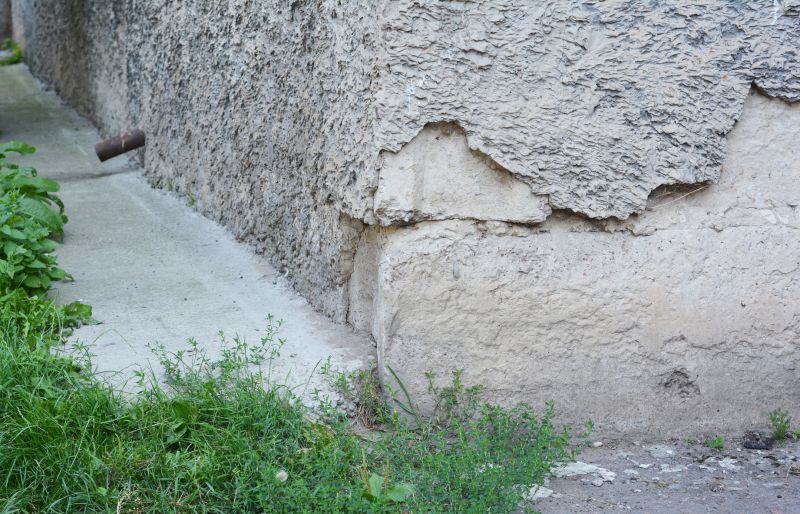 Foundation repairs are essential for maintaining the stability and safety of a structure, especially in areas prone to ground shifting or moisture issues. When considering products for foundation repairs, it's important to understand the variety of solutions available to address different types of foundation problems. These solutions can range from simple sealants to complex underpinning systems, each designed to target specific issues such as cracking, settling, or water infiltration.
Top Overall Option
Polyurethane Foam Injection System
Polyurethane foam injection systems are versatile and widely used for sealing cracks and lifting settled foundations. They expand upon application, filling voids and stabilizing the soil beneath the foundation. These systems are suitable for both minor cracks and larger settlement issues, offering a non-invasive approach that can be performed with professional equipment or specialized DIY kits. Their adaptability makes them a popular choice for various foundation repair scenarios.
Types of Products For Foundation Repairs
Epoxy Injection Kits
Designed for sealing cracks and bonding broken concrete, epoxy injection kits are useful for minor surface repairs and structural crack stabilization.
Polyurethane Foam Injection Systems
Used for sealing leaks and lifting settled areas, these systems expand to fill voids beneath the foundation.
Steel Push Piers
These are driven into the ground to provide stable support for sinking foundations, offering long-term stabilization.
Helical Piers
Helical piers are screwed into the soil to lift and stabilize foundations affected by settling or shifting.
Concrete Underpinning
This involves adding concrete supports beneath the foundation to improve stability and load-bearing capacity.
Carbon Fiber Reinforcement
Applied to crack surfaces, carbon fiber strips reinforce and prevent further cracking in concrete foundations.
Mudjacking / Slab Jacking
A process that lifts sunken slabs by pumping a slurry beneath the concrete surface.
Drainage Systems
Installing proper drainage solutions helps control water around the foundation, reducing pressure and erosion.
Waterproofing Membranes
Applied to exterior or interior foundation surfaces, these membranes prevent water infiltration and damage.
Soil Stabilizers
Chemical or mechanical methods used to improve soil properties and prevent shifting beneath the foundation.
Grout Injection
Used to fill voids and cracks, grout injection provides structural support and sealing.
Anchor Bolts
Secures framing to the foundation, providing added stability for walls and structures.
Foundation Repair Braces
Temporary or permanent braces help stabilize walls and prevent further movement during repairs.
Vapor Barriers
Installed to control moisture vapor that can weaken foundation materials over time.
Soil Moisture Control Products
Includes items like moisture barriers and drainage pipes to maintain consistent soil conditions.
Foundation Ventilation Systems
Help reduce moisture buildup within crawl spaces, preventing damage to the foundation structure.
Repair Sealants
Flexible sealants that fill small cracks and joints, preventing water ingress and further deterioration.
Popular Choices
Widely used for sealing cracks and lifting settled areas, offering quick and minimally invasive solutions.
Common for crack repairs and bonding concrete surfaces, suitable for small to medium issues.
Frequently selected for stabilizing sinking foundations with long-term support.
Popular for their ability to lift and stabilize foundations affected by shifting soil.
Often used for leveling uneven concrete slabs around the property.
Essential for managing water flow and reducing foundation pressure.
Commonly applied to prevent water infiltration and protect the foundation.
Chosen for its strength in reinforcing cracked concrete surfaces.
Used for filling voids and supporting foundation structures.
Popular for stabilizing walls during repair processes.
Frequently installed to control moisture in crawl spaces.
Utilized to improve soil consistency beneath foundations.
Commonly used to secure framing and structural elements to the foundation.
Selected for providing additional support to compromised foundations.
Applied to exterior surfaces for moisture protection.
Help maintain consistent soil moisture levels, reducing shifting.
Help mitigate moisture buildup in crawl spaces.
Selecting the right products involves evaluating the extent of the damage, the underlying causes, and the type of foundation involved. For minor cracks and surface issues, sealants and epoxy injections can provide effective sealing and bonding. For more significant problems like sinking or uneven foundations, underpinning systems and piering solutions are often employed to stabilize and lift the structure.
Proper installation and the quality of materials are crucial for long-term effectiveness. Many foundation repair products are designed for professional use, but there are also DIY options suitable for smaller repairs. Understanding the specifications, compatibility, and application methods of these products can help homeowners and contractors achieve better results.
In Kankakee, Illinois, where soil conditions and weather patterns can influence foundation stability, choosing appropriate repair products becomes even more critical. Consulting with local experts can provide insights into the most suitable solutions for your specific situation, ensuring that repairs are durable and effective over time.
Key Buying Considerations
- Assess the extent and type of foundation damage before selecting products.
- Determine whether a DIY approach is feasible or if professional assistance is recommended.
- Verify compatibility of repair products with your foundation material and structure.
- Consider the soil and environmental conditions specific to Kankakee, IL, which can influence repair strategies.
- Evaluate the longevity and durability of the repair products for long-term stability.
- Check for ease of application and whether specialized tools or skills are required.
- Review manufacturer instructions and warranty options for the products.
- Prioritize products that offer flexibility and adaptability to different repair scenarios.
- Consider the potential need for ancillary products such as drainage or waterproofing systems.
- Account for local building codes and regulations related to foundation repairs.
- Estimate the total cost, including materials and labor, for comprehensive repairs.
- Research the reputation and reviews of the product brands or systems.
- Ensure safety precautions are understood and followed during application.
- Think about the impact of repair methods on the property's value and future maintenance.
- Consult with local foundation repair specialists for tailored advice based on regional soil conditions.